As an Amazon Associate, This Will Fix It earns from qualifying purchases at no extra cost to you. We only recommend products we’d actually use.
Our top pick — 2026
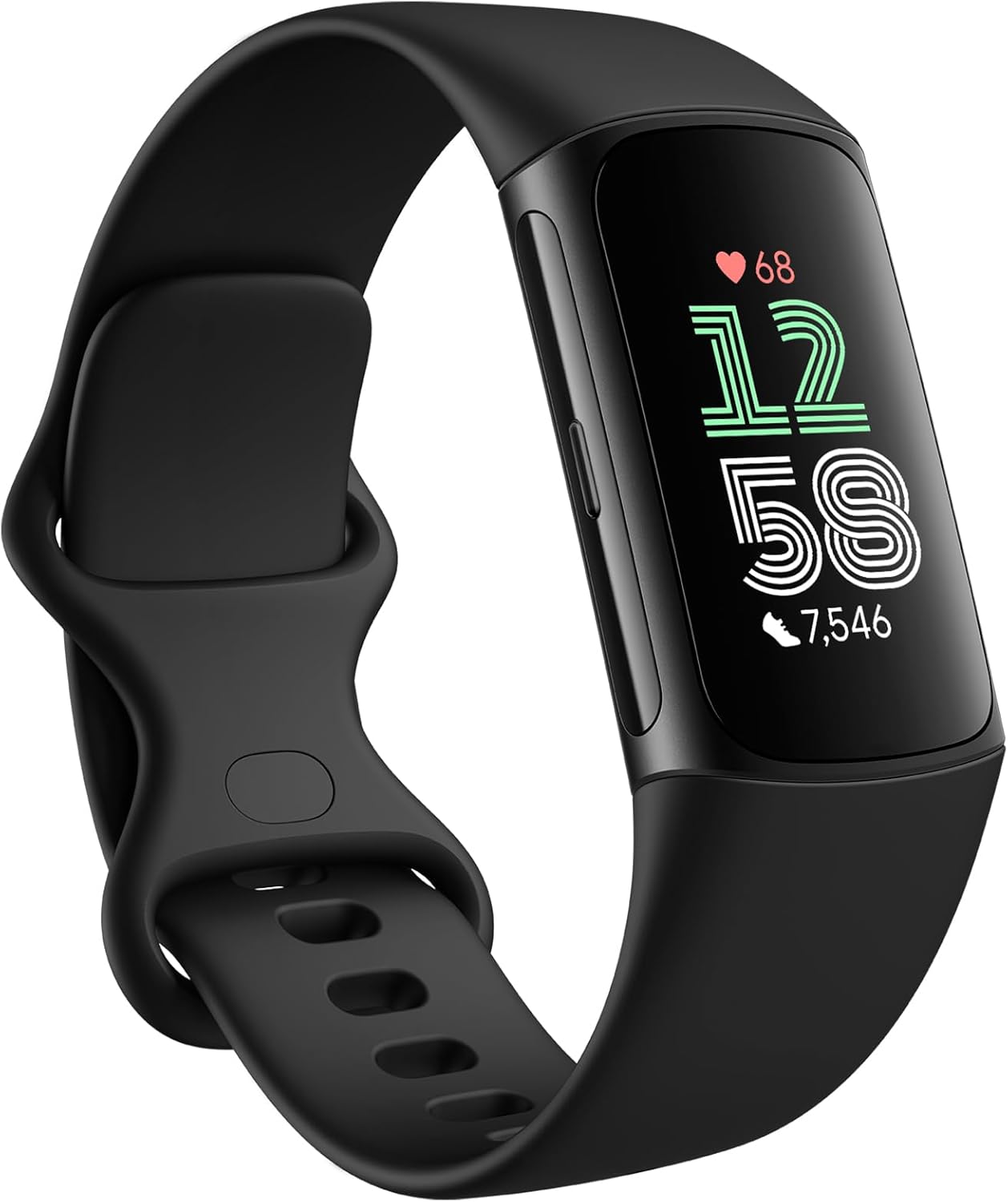
Fitbit Charge 6 — Best Everyday Health Tracker
The best balance of accurate health tracking, long battery life, and straightforward data for people who want useful insights without a smartwatch price tag or a learning curve.
Best for: everyday health trackingBattery: 7 daysPrice: ~$120–150
Problem
You want to track your health but the wearables market is overwhelming — five brands, ten models, subscriptions, and specs that mean nothing in practice.
Fix
Match the tracker to your actual goal — steps and heart rate, sleep recovery, endurance training, or full smartwatch features — not the most expensive option.
Relief
One wearable that gives you the data you actually check, worn consistently because it fits your life — not abandoned in a drawer after three weeks.
Why Most People Buy the Wrong Wearable
The wearable market in 2026 is genuinely excellent — but the variety is the problem. Apple Watch, Fitbit, Garmin, Oura Ring, Whoop — they’re all good products that are right for completely different people. Most people buy based on brand recognition or what their friends wear, end up with more complexity than they wanted or less battery than they needed, and stop using it within a month.
The right framework is simple: what is the one health metric you actually want to improve? Steps and daily activity, sleep quality, workout performance, or recovery from hard training. Pick the tracker built for that metric. Everything else is a bonus you may or may not use.
Updated for 2026: This article replaces an older version from 2024. The wearables market has changed significantly — the Oura Ring Gen 4, Apple Watch Series 10, and Whoop 4.0 all launched with meaningful upgrades. All product recommendations below reflect current 2026 models and pricing.
Our Top Pick: Fitbit Charge 6 — Best for Most People
Fitbit Charge 6
~$120–150
Seven days of battery, continuous heart rate monitoring, sleep tracking with sleep stage breakdown, stress management score, ECG app, and Google Maps and Wallet integration. It does everything the average health-focused person needs without requiring a subscription to get value from the data.
The reason the Fitbit Charge 6 wins for most people is the battery-to-feature ratio. Apple Watch users charge nightly. Garmin users have more battery but pay more. The Charge 6 gives you a full week of real data — including sleep — without the daily charging routine that causes most people to abandon wearables within a month. You can’t track your sleep if you have to charge overnight.
The data Fitbit surfaces is also genuinely actionable. The Daily Readiness Score and Stress Management Score tell you in plain language whether today is a day to push or recover. That’s more useful for most people than VO2 max estimates and training load metrics that require a sports science background to interpret.
Scott’s tip: Wear it for 30 days before changing anything about your routine. The value of a fitness tracker isn’t the first day’s data — it’s the pattern that emerges over a month. You’ll see exactly where your sleep, activity, and stress are actually going wrong, not where you think they are.
Pros
7-day battery — tracks sleep without nightly charging
ECG and stress tracking on a mid-range device
Straightforward app that doesn’t require a manual to understand
No mandatory subscription — core features work free
Slim profile — comfortable for 24/7 wear
Watch-outs
No built-in GPS — uses phone GPS for route tracking
Premium features (Daily Readiness Score) need Fitbit Premium subscription
Google ecosystem — works best if you use Google services
Not ideal for serious athletes who need advanced training metrics
Also Worth Considering
Oura Ring Gen 4 — Best for Sleep & Recovery
~$350 + $6/month subscription
The most accurate passive health monitor available. Worn as a ring, it tracks sleep staging, heart rate variability, body temperature, and readiness with clinical-grade accuracy — without a screen, notifications, or anything that pulls you toward your phone. If you have one health goal and it’s better sleep and recovery, nothing beats it. Pairs well with our stress relief guide for a complete sleep and recovery system.
Built for runners and endurance athletes who need real training data — multi-day GPS battery, training readiness scores, recovery time recommendations, and adaptive training plans. The Forerunner 265 has a 13-day battery in smartwatch mode and 20 hours with GPS active. No subscription required — all data is yours through Garmin Connect.
Steps, heart rate, sleep, stress, and 10-day battery for under $80. The Inspire 3 covers everything a first-time tracker user needs to build the habit before committing to a premium device. No GPS and no ECG, but for daily activity awareness and sleep basics it does the job with no subscription and a slim comfortable band.
Watch-out on subscriptions: Before buying the Oura Ring or Whoop, factor in the subscription cost. Oura is $6/month after the first year — $72/year. Whoop is $30/month — $360/year on top of the hardware. Over three years that’s a significant additional spend. Both are worth it for the right person, but budget for the full cost, not just the upfront price.
Related fix: If recovery and sleep are your main goals, the wearable data is only half the equation. Our everyday wellness products guide covers the physical tools — massagers, diffusers, white noise — that improve your recovery scores as much as the tracking does.
Common Questions About Health Wearables
For most people in 2026, the Fitbit Charge 6 or Apple Watch SE are the best everyday fitness trackers. The Fitbit is better if you want a dedicated health tracker with long battery life at a lower price. The Apple Watch SE is better if you are already in the Apple ecosystem and want smartwatch features alongside health tracking.
Yes — if sleep and recovery tracking are your main goals. The Oura Ring Gen 4 is the most accurate passive health monitor available in 2026, particularly for sleep staging and readiness scores. It requires a monthly subscription after the first year and is not ideal if you want workout tracking or GPS. For pure sleep and recovery data, nothing beats it.
No — an Apple Watch Series 9 or later covers most fitness tracking needs including heart rate, sleep, activity rings, ECG, and blood oxygen. The only reason to add a separate tracker would be for specialist recovery data like Whoop or Oura Ring, or multi-day GPS battery life for endurance sports like Garmin offers.
Garmin devices consistently lead on battery life — the Garmin Forerunner 265 lasts 13 days in smartwatch mode and 20 hours with GPS active. The Fitbit Charge 6 lasts 7 days. The Apple Watch Series 10 lasts about 18 hours with always-on display. If battery life is your primary concern, Garmin is the clear choice.
Whoop is worth it specifically for serious athletes and people focused on recovery optimization. The strain and recovery scoring system is the most detailed available and the screenless design makes it genuinely wearable 24/7 including during contact sports and swimming. For casual users or people who just want step counting and notifications, Whoop is overkill and the subscription cost is hard to justify.
DIY problem solver — 20+ years hands-on experience
I’ve spent over 20 years fixing practical everyday problems myself. Health wearables fall into the same category as any tool — the right one for the right job beats the most expensive one every time. I cut through the spec-sheet noise and tell you what’s actually worth buying for your specific goal. Read more about Scott →
Ready to find your right wearable?
The Fitbit Charge 6 is where most people should start — 7-day battery, accurate health data, no mandatory subscription. Check the current price on Amazon.